PhD Students
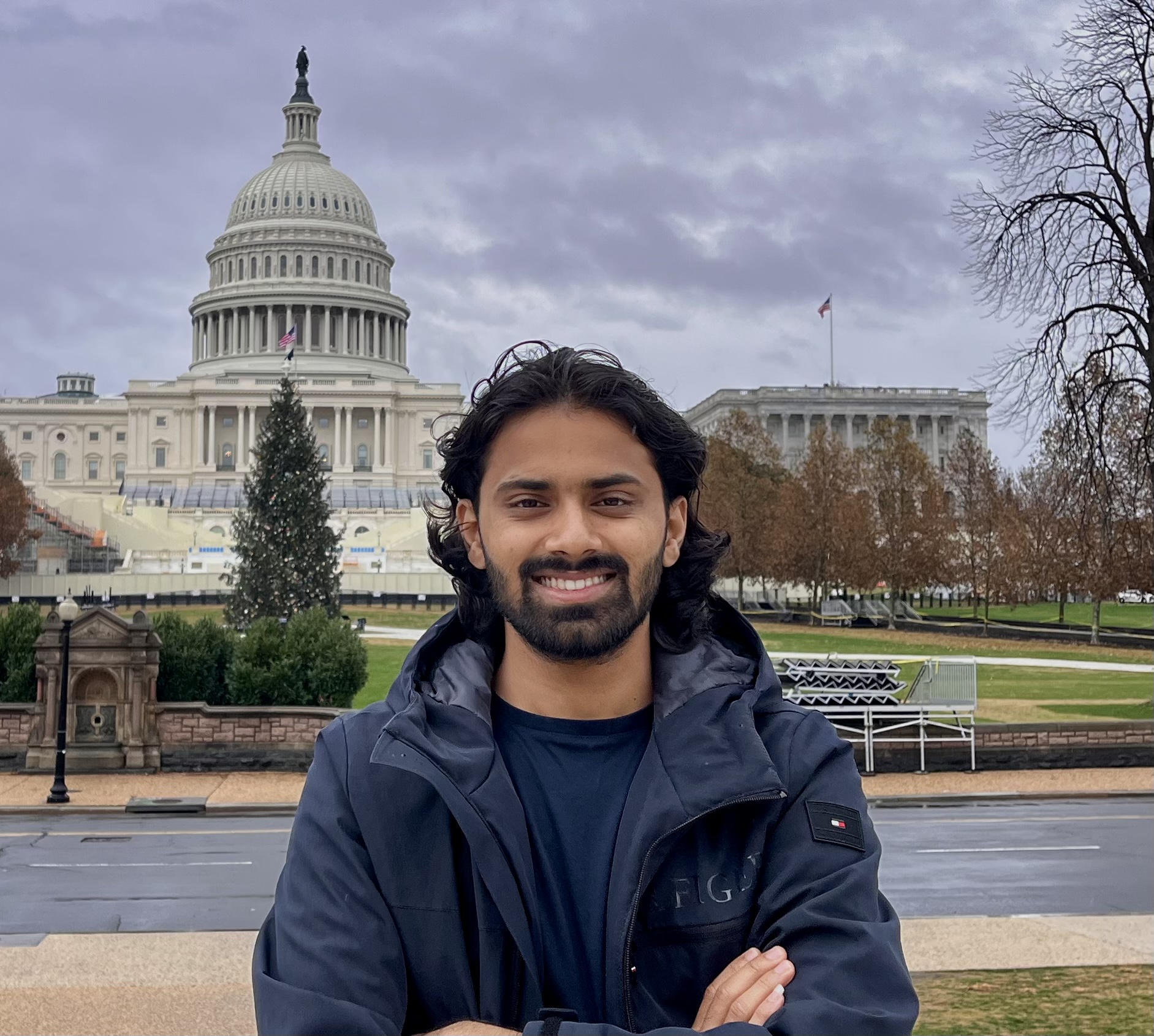
Bikram Parajuli
PhD Candidate (2022 – present)
Bikram Parajuli is a PhD candidate in Geography and Environmental Sustainability at the University of Oklahoma. His work sits at the intersection of spatial optimization, GeoAI, and remote sensing to better understand environmental and atmospheric systems. His research focuses on developing continuous facility-location models, optimizing mobile weather radar deployments for severe thunderstorm monitoring, and using GIS with data assimilation to understand how targeted observations can support more accurate storm-scale weather forecasting. Prior to this, he completed a Master of Engineering in Cartography and Geographical Information Engineering from Wuhan University, China, where his graduate research examined spatiotemporal drought dynamics in the Ganga-Brahmaputra river Basin. He holds a Bachelor of Engineering in Geomatics Engineering from the Institute of Engineering, Tribhuvan University, Nepal.
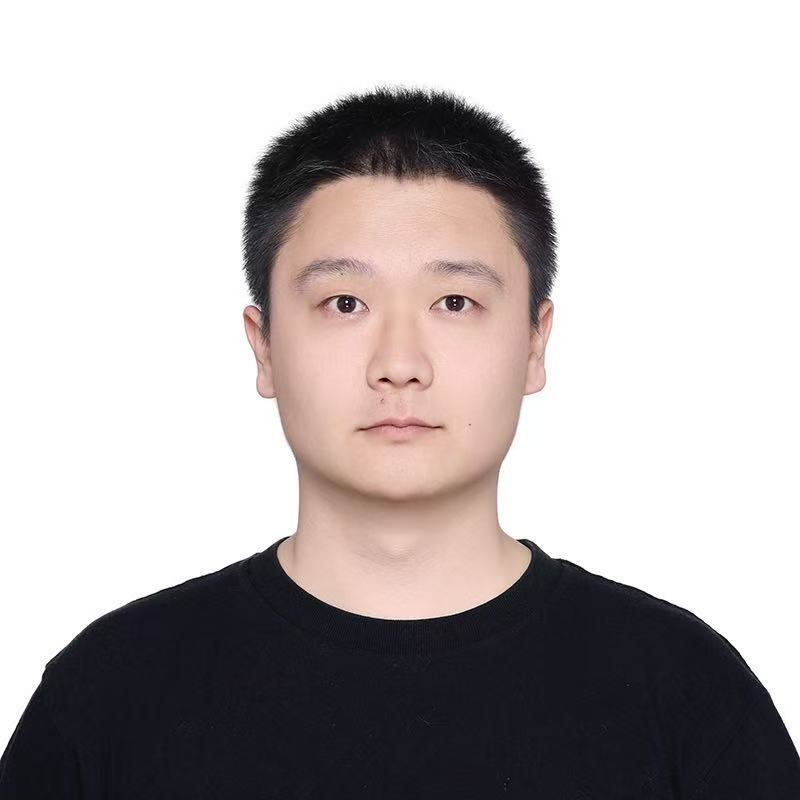
Chenchun Wang
PhD Student (2024 – present)
Chenchun Wang (he/him/his) is a PhD student and Graduate Teaching Assistant in the Department of Geography and Environmental Sustainability at the University of Oklahoma. He works with Dr. Xin (Selena) Feng on research related to geospatial analysis and spatial optimization. Chenchun is a National Registered Surveyor and National Registered Construction Engineer in China. He holds a bachelor's degree in Geographic Information Systems from Chang'an University and a master's degree in Engineering Management from Xi'an Jiaotong University. His research interests include geospatial data science, operations research, and data-driven modeling.

Rowland Olawale Emmanuel
PhD Student (2025 – present)
Rowland Olawale Emmanuel is a PhD student in Geography and Environmental Sustainability at the University of Oklahoma. His PhD research focuses on the nexus of the U.S. electric grid, energy infrastructure, and wildfires, with broader interests at the intersection of climate risk, energy systems, and spatial analytics. Specifically, he seeks to examine grid assets and energy infrastructure most vulnerable to wildfire risk, identify county-level hotspots, model local environmental risk factors at those hotspots, and develop prioritization frameworks to support hardening and preparedness decisions. Rowland holds an MSc (Summa Cum Laude) in Environmental Protection Engineering from Warsaw University of Technology and a BTech (First Class Honours) in Urban and Regional Planning from the Federal University of Technology, Akure. He is a recipient of multiple awards for academic excellence, including the Polish Government Scholarship, which fully funded his MSc studies.
Master's Students

Oyinkansola Tella
Master's Student (2026 – present)
Oyinkansola (Oyin) Tella is a master's student in Geospatial Technologies / Geography and Environmental Sustainability at the University of Oklahoma. Oyin's research focuses on GeoAI, spatial data science, and optimization, with an emphasis on building scalable, data-driven models for geospatial decision-making. She holds a bachelor's degree in Geography from Obafemi Awolowo University, Ile-Ife, Nigeria, and is particularly interested in applying machine learning and optimization techniques to infrastructure systems, urban and regional planning, and sustainability-related problems.
Alumni
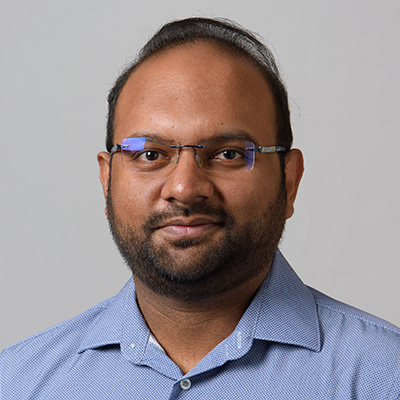
M. Shahriyar Parvez
PhD Student, University of Connecticut
Mohammad Shahriyar Parvez completed his M.S. in Geospatial Technologies from the Department of Geography and Environmental Sustainability at the University of Oklahoma in 2024, advised by Dr. Xin (Selena) Feng. His master's research developed a generic GIS-based framework for social-environmental system boundary delineation, integrating spatial data, optimization, and user control for natural resource management, with a case study in the Rio Grande–Rio Bravo basin. He is the recipient of the 2025 AAG Marble Fund Award for Innovative Masters Research in Quantitative Geography. Shahriyar holds a Bachelor of Urban and Regional Planning (BURP). His research interests include spatial optimization, location modeling, GIScience, and sustainable resource management.